
WEBSITE CONCEPT A preview of a more connected care experience.
J&C TREATMENT CENTER
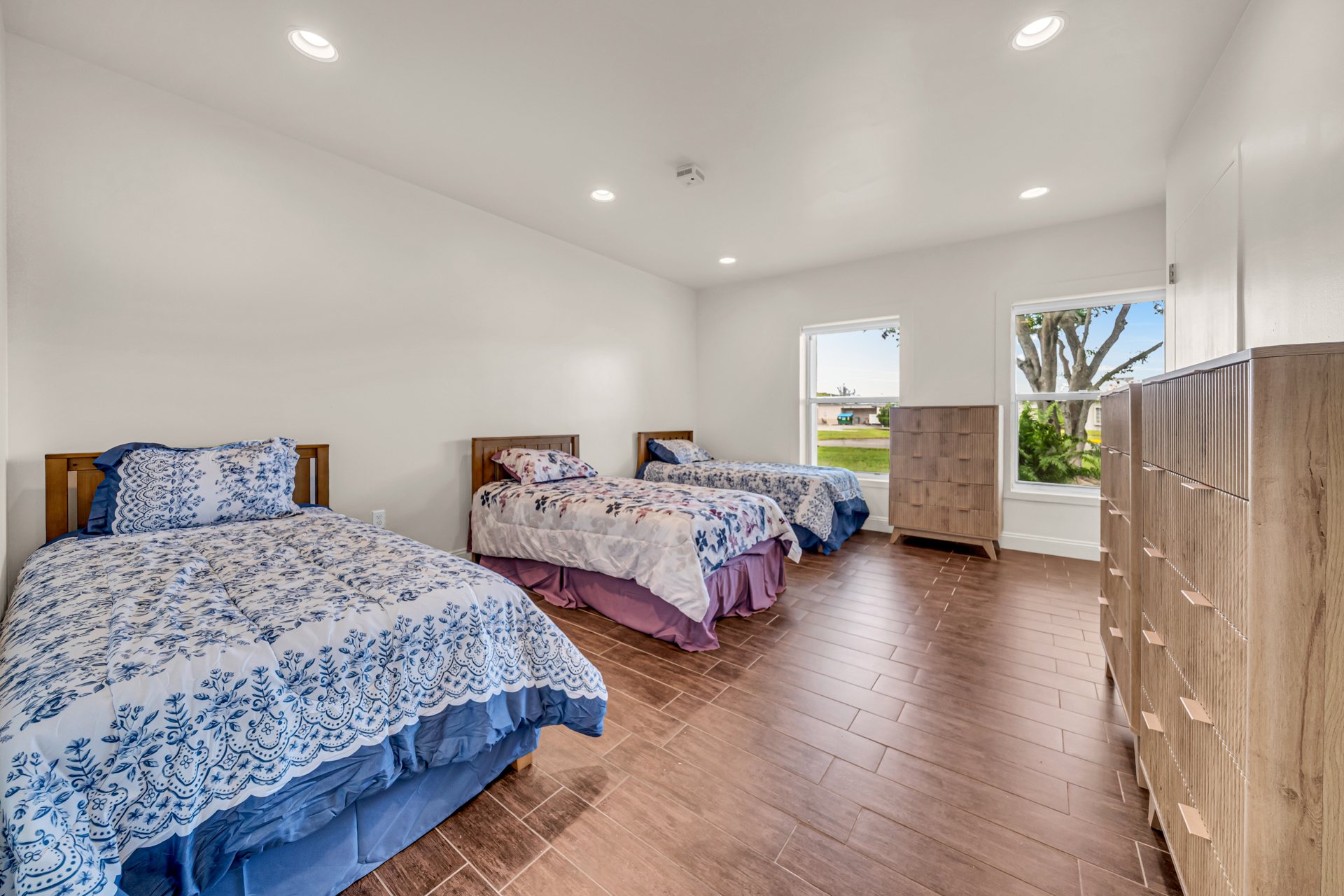
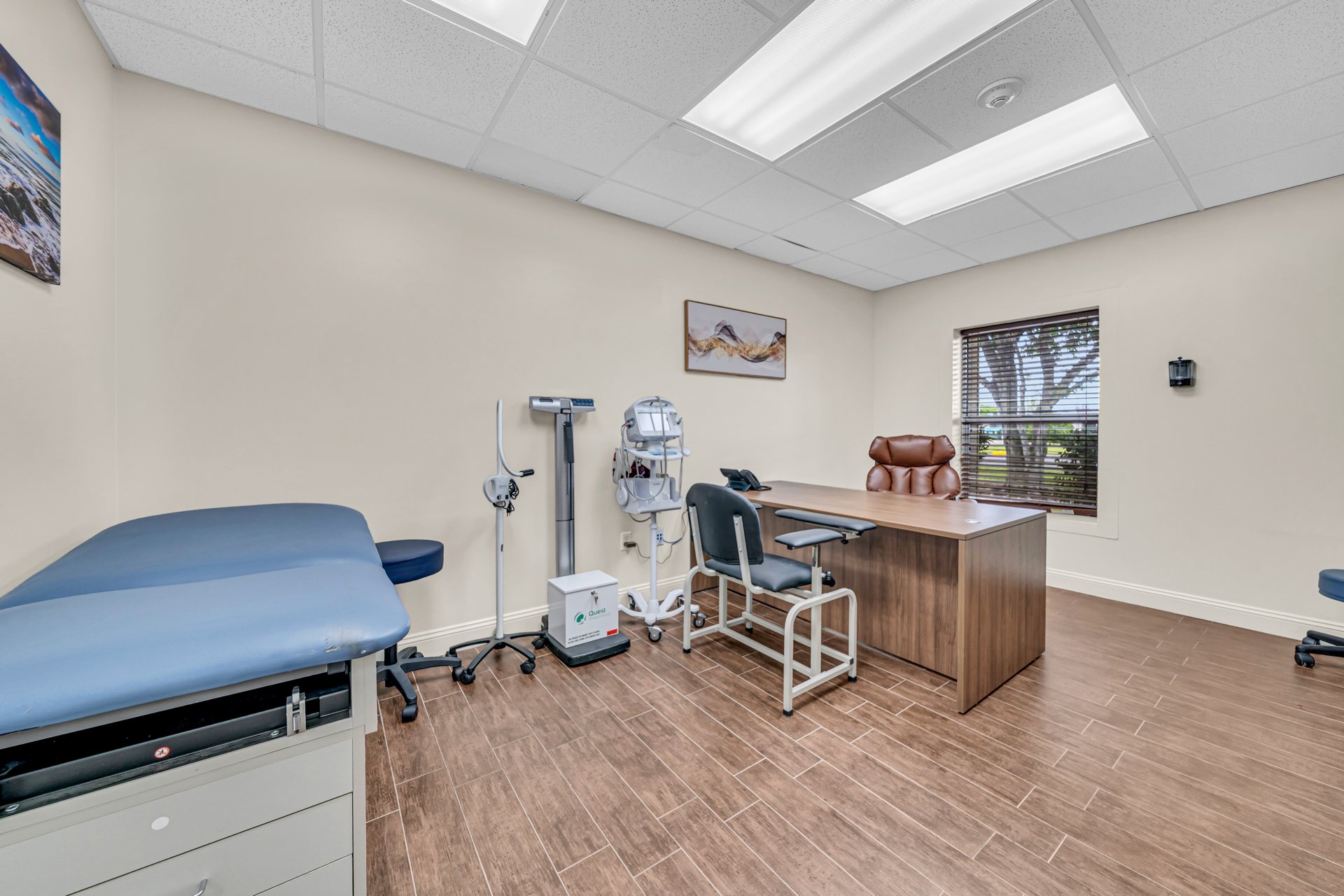
Illustrative treatment environment

OUR SERVICES & LEVELS OF CARE

Understand your options.
Find your next step.

Get to know the purpose, approach, and goals behind each service—so your next conversation starts with more clarity.

Explore our care

A PLAN BUILT AROUND A PERSON

Care works best
when it connects.

Levels of care describe the setting and structure of treatment. Therapies describe ways of working on challenges within that plan. Different services can complement one another as needs change.

These are general service descriptions for this website concept. Confirm program availability and individual suitability with the center. Goals are possibilities, not guaranteed results.

01 / LEVELS OF CARE

A foundation for
moving forward.

Begin by understanding the kind of environment and support that may fit your needs.

Illustrative image for detox01

A supported first step

Detox

Support through withdrawal, with a plan for what comes next.

What it involves

Detox focuses on the period when the body adjusts after alcohol or other substance use is reduced or stopped. The appropriate setting depends on the substance, symptoms, medical history, and other health needs. An assessment helps identify the level of support needed.

The approach

Care typically begins with reviewing recent use, health concerns, and withdrawal risks. Depending on the setting, clinicians may monitor symptoms and discuss medication or other support. Planning for ongoing treatment is part of the conversation, because withdrawal management alone does not address the full recovery process.

What this can support

The immediate goals are stabilization, symptom management, and a supported transition into further care. Detox is a beginning, rather than a stand-alone solution for lasting recovery.

  • Stabilization
  • Withdrawal support
  • A next-step plan
Explore detox
Illustrative image for residential treatment02

Space to focus on recovery

Residential treatment

A structured living environment that creates time and space for treatment.

What it involves

Residential treatment means living in a treatment setting while taking part in a planned program of care. It may suit people who need more structure than their current environment can provide. The right level of care is determined through an individual assessment.

The approach

A residential program may combine counseling, group sessions, recovery education, and daily routines. The plan should reflect a person’s goals and health needs. Preparing for life after the stay—including continued care and practical sources of support—is an important part of planning.

What this can support

Goals may include a more consistent routine, greater engagement with treatment, and a clearer plan for continued recovery. Progress and length of stay vary; residential care is one part of an ongoing process.

  • Daily structure
  • Time for treatment
  • Continuing-care planning
Explore residential treatment

WHAT PROGRESS CAN LOOK LIKE

Small changes.
Meaningful direction.

01

More understanding

Recognizing patterns and identifying what matters to you.

02

More ways to respond

Practicing skills you can bring into everyday situations.

03

A clearer next step

Reviewing progress and adjusting support as needs change.

02 / THERAPIES & TREATMENT

Different tools.
A shared focus on you.

Explore how each approach works, what participation can involve, and the goals it may help you work toward.

Illustrative image for cognitive behavioral therapy03

Understand patterns. Practice change.

Cognitive behavioral therapy

Practical tools for the connection between thoughts, feelings, and actions.

What it involves

CBT is a structured form of therapy that helps people notice patterns that may contribute to distress or substance use. Sessions connect what happens in everyday situations with the thoughts, emotions, and choices that follow.

The approach

Work can include identifying triggers, examining unhelpful assumptions, and practicing alternative responses. Skills are often applied between sessions so that learning connects to real situations, rather than staying only in the therapy room.

What this can support

Treatment may support more effective coping with cravings or stress, better awareness of high-risk situations, and stronger problem-solving skills. Goals are individualized and reviewed over time.

  • Recognize triggers
  • Practice coping skills
  • Build new responses
Explore cbt
Illustrative image for emdr therapy04

Work through the impact of trauma

EMDR therapy

A structured, trauma-focused approach for processing distressing memories.

What it involves

Eye Movement Desensitization and Reprocessing is a psychotherapy used to treat PTSD. It helps a person work with traumatic memories and the beliefs, emotions, and physical reactions connected to them. A clinician assesses whether it fits the person’s needs and readiness.

The approach

Treatment includes preparation and coping skills before memory processing. During processing, a trained therapist guides attention to a memory while using eye movements or another form of alternating stimulation, such as tapping. Progress and readiness guide the pace.

What this can support

For appropriate candidates, EMDR can reduce PTSD-related distress and help traumatic memories feel less disruptive. The aim is to change the impact of the memory, not erase what happened.

  • Prepare for processing
  • Reduce trauma-related distress
  • Support daily functioning
Explore EMDR therapy
Illustrative image for one-on-one therapy05

Your story, with room to be heard

One-on-one therapy

Focused time to explore personal challenges, priorities, and goals.

What it involves

Individual therapy offers a conversation between a person and a clinician. It can provide room to explore experiences that feel difficult to discuss in a group, including patterns of substance use, emotions, relationships, and barriers to change.

The approach

The therapist and client identify priorities together and choose an approach suited to those needs. Sessions may include reflection, skill-building, and reviewing how changes are working outside therapy. Questions and preferences help shape the work.

What this can support

Goals may include better self-understanding, more useful coping strategies, and clearer decisions about personal next steps. Progress is personal and can include small changes in daily life.

  • Clarify personal goals
  • Develop coping strategies
  • Review progress
Explore one-on-one therapy
Illustrative image for group therapy06

Connection, perspective, and practice

Group therapy

A guided setting for learning and practicing alongside other people.

What it involves

Group therapy brings participants together with a facilitator to work on shared treatment themes. Depending on the group, sessions may focus on recovery skills, emotional awareness, relationships, or managing situations that challenge progress.

The approach

A session can combine discussion, education, and practical exercises. Participants hear different perspectives and practice communication or coping skills. Group expectations and privacy guidelines should be explained before participation.

What this can support

Goals may include stronger communication, greater willingness to seek support, and more opportunities to apply skills. Group treatment and individual sessions can complement each other when appropriate.

  • Practice communication
  • Learn with others
  • Strengthen support-seeking
Explore group therapy
Illustrative image for anger management07

More choice in the moment

Anger management

Recognize early warning signs and practice safer, more constructive responses.

What it involves

Anger management helps people understand how anger develops and how it influences behavior. The aim is not to eliminate an ordinary emotion, but to respond in ways that reduce harm and support healthier relationships.

The approach

A cognitive-behavioral approach can include identifying triggers, noticing physical cues, examining interpretations, and developing a personal response plan. Practice may involve calming strategies, planned time-outs, assertive communication, and conflict resolution.

What this can support

Goals include recognizing escalation earlier, communicating needs more clearly, and choosing alternatives to impulsive reactions. Repeated practice helps connect the skills to everyday challenges.

  • Notice early cues
  • Pause before reacting
  • Communicate clearly
Explore anger management
Illustrative image for medication-assisted treatment08

Medication as part of a broader plan

Medication-assisted treatment

Explore how medication and behavioral support can work together.

What it involves

Medications can be an evidence-based part of treatment for certain substance use disorders. The appropriate option depends on the diagnosis, health history, treatment setting, and individual preferences; there is no single medication plan for everyone.

The approach

A qualified clinician reviews suitability, explains potential benefits and risks, and monitors response. Counseling and other recovery support may be coordinated around the person’s needs. Medication availability and prescribing arrangements should be confirmed directly with the provider.

What this can support

Depending on the medication and condition, treatment can reduce cravings or withdrawal and support continued engagement in care. Ongoing review helps determine whether the plan remains useful and appropriate.

  • Review medication options
  • Monitor response
  • Coordinate recovery support
Explore MAT

03 / GETTING STARTED

You do not need to have
every answer.

A useful first conversation starts with your questions, experiences, and priorities.

01 / SHARE

Start with your story.

Talk about what brings you to treatment, what you have tried, and what you hope will change.

02 / UNDERSTAND

Explore the fit.

Ask about assessment, program availability, clinical support, and what participation involves.

03 / PLAN

Make the next step clear.

Discuss practical needs, coverage questions, and how care may be coordinated over time.

Bring us your questions
Explore the educational sources behind these descriptions

These resources explain general treatment approaches. They do not establish which services, staffing, or medications are available at this center.

Your next step can start
with a conversation.

Ask your questions. Explore what care could look like for you.

Let’s talk→